

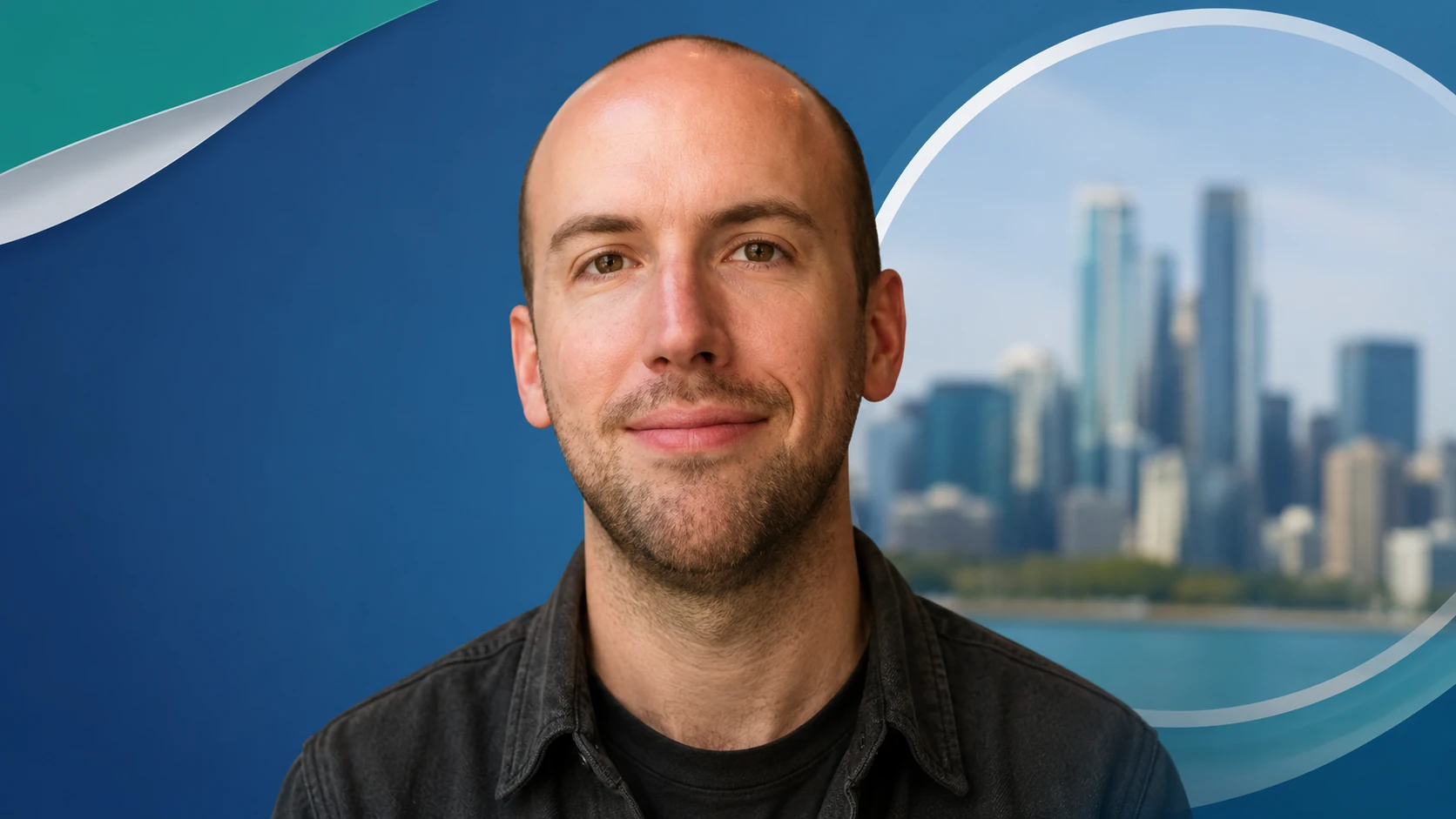
Paul Werdel’s strongest publicly documented professional chapter came during his years at The New York Times. Former colleagues and industry coverage place him there from roughly 2012 to 2018, a period when the paper was heavily focused on strengthening its digital and mobile strategy.
Industry publication Digiday quoted Werdel in 2015 as a senior product manager on mobile at The New York Times. The discussion centered on how readers interacted with mobile articles and how the organization was adapting content for smaller screens. Those conversations were especially important at the time because smartphone readership was overtaking desktop traffic across the industry.
His work during this period reflected a larger shift happening inside journalism. News organizations were no longer simply publishing articles online. They were studying audience behavior, app design, notification systems, engagement metrics, and reading patterns. Product management became just as important as traditional editorial planning.
Werdel’s name also appeared on New York Times World Cup-related bylines in 2014. While he was mainly associated with product and editorial systems, those bylines showed he remained connected to newsroom content itself. That balance between editorial understanding and digital product work became increasingly valuable inside major media companies.
People who worked in digital journalism during those years often described the environment as exhausting but exciting. Newsrooms were under financial pressure while trying to reinvent themselves for mobile audiences. Werdel’s role placed him directly inside that transition period at one of the world’s most influential newspapers.
Marriage to Amna Nawaz
For many readers today, Paul Werdel first became publicly recognizable because of his marriage to journalist Amna Nawaz. Nawaz built a respected career covering politics, immigration, foreign affairs, and national news before becoming co-anchor of PBS NewsHour in 2023 alongside Geoff Bennett.
The couple has largely kept their relationship private, though public interviews and profiles have occasionally offered glimpses into their family life. Several sources report that they married in 2007, though direct primary confirmation of the exact year is limited. What is clearly established is that they have built a long-term partnership while balancing demanding journalism careers.
Their relationship became more publicly discussed as Nawaz’s national profile grew. When PBS announced that Nawaz and Bennett would replace longtime anchor Judy Woodruff, interest in Nawaz’s personal life increased immediately. That attention naturally extended to Werdel, whose own career background made him unusual among spouses of television news personalities.
Unlike many high-profile media couples who maintain constant public visibility, Werdel and Nawaz have generally avoided turning their private lives into branding opportunities. They appear rarely in celebrity-style media coverage, and much of what is known about their relationship comes through professional interviews rather than entertainment reporting.
That privacy has likely contributed to public curiosity. Audiences often expect highly visible media figures to share every detail of family life online. Werdel and Nawaz have taken a different approach, keeping most personal matters carefully contained.
Family Life and Parenting
One of the most discussed aspects of Werdel’s life in recent years has been his role as the primary caregiver for the couple’s daughters. Amna Nawaz has spoken publicly about how difficult and emotionally demanding journalism can be, especially after covering traumatic events.
In one published profile, Nawaz explained that Werdel encouraged her to seek therapy after difficult reporting experiences, including coverage connected to the Uvalde school shooting. That detail added a deeply personal layer to their partnership. Rather than simply being a spouse standing in the background, Werdel appeared as an active emotional support system during some of the most intense moments of Nawaz’s career.
The same profile described how Werdel stepped away from full-time professional work after Nawaz joined PBS in 2018. He reportedly became the primary caregiver for their children, allowing her to manage the demands of national television journalism more effectively. That decision reflected changing ideas around gender roles and parenting in modern professional households.
Their arrangement also challenged old assumptions about newsroom marriages. Historically, demanding journalism careers often depended on invisible family sacrifices made by women. In Werdel and Nawaz’s case, the public story unfolded differently. He became the partner who adjusted his professional life to support the family’s overall balance.
Even though the couple remains relatively private, those glimpses into family life helped humanize both of them. Readers could see not only career achievement but also the difficult personal decisions behind public success.
Professional Reputation and Public Image
Paul Werdel’s public image is unusual because it exists mostly through professional association rather than self-promotion. He does not appear to maintain a large public social media presence, and he has not built a celebrity-style personal brand around his career.
Inside media circles, though, his background reflects serious experience. Al Jazeera English, Talking Points Memo, and The New York Times are all respected names in journalism. Moving through those organizations during major industry changes suggests adaptability and strong technical understanding.
His reputation also reflects a type of journalism career that audiences do not always notice. Television anchors and reporters often receive most of the public recognition, but modern news organizations depend heavily on editors, producers, product managers, and digital specialists. Werdel’s career fits into that less visible but increasingly important category.
There is also an understated quality to how he has handled public attention. Many people connected to famous journalists eventually become public personalities themselves. Werdel has largely resisted that path, remaining focused on family and private life rather than media celebrity.
That choice may explain why reliable information about him can sometimes be difficult to separate from speculation. In the absence of frequent interviews or personal publicity, weaker biography sites often repeat uncertain claims as facts. Careful reporting requires resisting that temptation.
Net Worth and Career Earnings
Public estimates of Paul Werdel’s net worth vary widely, and none of the commonly circulated numbers appear strongly verified. Celebrity-style websites often publish speculative figures without financial documentation, tax records, or confirmed salary details.
What can reasonably be said is that Werdel worked for respected international and national media organizations over many years. Positions at outlets like Al Jazeera English and The New York Times likely provided stable professional income, especially during his senior product-management period.
His earnings probably came from a combination of newsroom salaries, editorial work, and digital product management responsibilities. Still, there is no confirmed public record of business ownership, investment holdings, or major corporate deals tied to him personally.
Because of that uncertainty, responsible biographies should avoid presenting exact wealth figures as fact. His financial story appears far less important than the broader professional and family choices that shaped his public reputation.
What Paul Werdel Is Doing Now
As of 2026, Paul Werdel continues to maintain a low public profile. Stronger sources describe him as independent following his New York Times years, though there is little verified public information about any current full-time employer.
That absence of visibility does not necessarily mean he left journalism entirely. Many former newsroom professionals continue consulting, advising, or freelancing without maintaining public-facing profiles. It is also possible that family responsibilities remain a major focus of his daily life.
Meanwhile, Amna Nawaz’s career at PBS NewsHour has continued to expand. Her role as co-anchor brought renewed attention to the couple, even though Werdel himself remains largely outside the television spotlight. Public curiosity about him tends to rise alongside major milestones in Nawaz’s career.
There is also growing cultural interest in stories like his. Conversations around caregiving, work-life balance, and supportive partnerships have become more visible in recent years. Werdel’s choice to step back professionally while supporting his wife’s career places him inside that larger social conversation.
Frequently Asked Questions
Who is Paul Werdel?
Paul Werdel is an American media professional known for his work in journalism and digital news product management. He has been associated with organizations including Al Jazeera English, Talking Points Memo, and The New York Times. Many readers also know him as the husband of PBS NewsHour co-anchor Amna Nawaz. Despite growing public interest, he has maintained a relatively private personal life.
Did Paul Werdel work at The New York Times?
Yes, multiple reliable sources connect Paul Werdel to The New York Times between roughly 2012 and 2018. Industry reporting identified him as a senior product manager focused on mobile experiences. Former colleagues and media references also described him as an editor and product director during that period. His work happened during a major digital transition for the newspaper industry.
Is Paul Werdel still working in journalism?
There is no fully verified public information about a current full-time journalism position as of 2026. Some sources describe him as independent after leaving The New York Times. Public profiles connected to older employment records may still list previous organizations, but those references could be outdated. He appears to keep his current professional activities private.
How many children do Paul Werdel and Amna Nawaz have?
Paul Werdel and Amna Nawaz have two daughters. The couple has shared limited public details about their children because they prefer to keep family life relatively private. Public interviews with Nawaz have focused more on parenting responsibilities and work-life balance than on specific personal details. Their family dynamic became more publicly discussed after Nawaz’s rise at PBS NewsHour.
Why is Paul Werdel publicly known today?
Paul Werdel became more widely searched because of his connection to Amna Nawaz and his own respected media background. As Nawaz’s national profile grew at PBS, audiences became curious about her family and personal life. His career in journalism and digital media added another layer of interest. His decision to step into a caregiving role also attracted attention as part of changing conversations about family and professional partnerships.
Conclusion
Paul Werdel’s life story does not follow the usual celebrity pattern. He built his career inside newsrooms rather than in front of cameras, moving through international reporting, political journalism, and digital product management during a period of major change in the media industry. That work gave him credibility inside journalism even if it never made him a household name.
His relationship with Amna Nawaz added another dimension to his public identity, but it did not erase his own professional history. Instead, their partnership revealed how modern media careers often depend on difficult private decisions that audiences rarely see. Werdel’s willingness to support his family in less visible ways became part of the story itself.
There is also something refreshing about how little of his life has been turned into performance. In an era when many public figures share constant updates and carefully managed online personas, Werdel has remained measured and private. That restraint may be one reason readers continue searching for reliable information about him.
As journalism keeps changing, careers like Paul Werdel’s may become more appreciated rather than less. Behind every major newsroom are people handling systems, technology, editing, planning, and family sacrifices that audiences rarely notice. His story offers a reminder that influence inside media does not always come from the anchor chair or the front page. Sometimes it comes quietly, through support, adaptation, and years of steady work behind the scenes.


