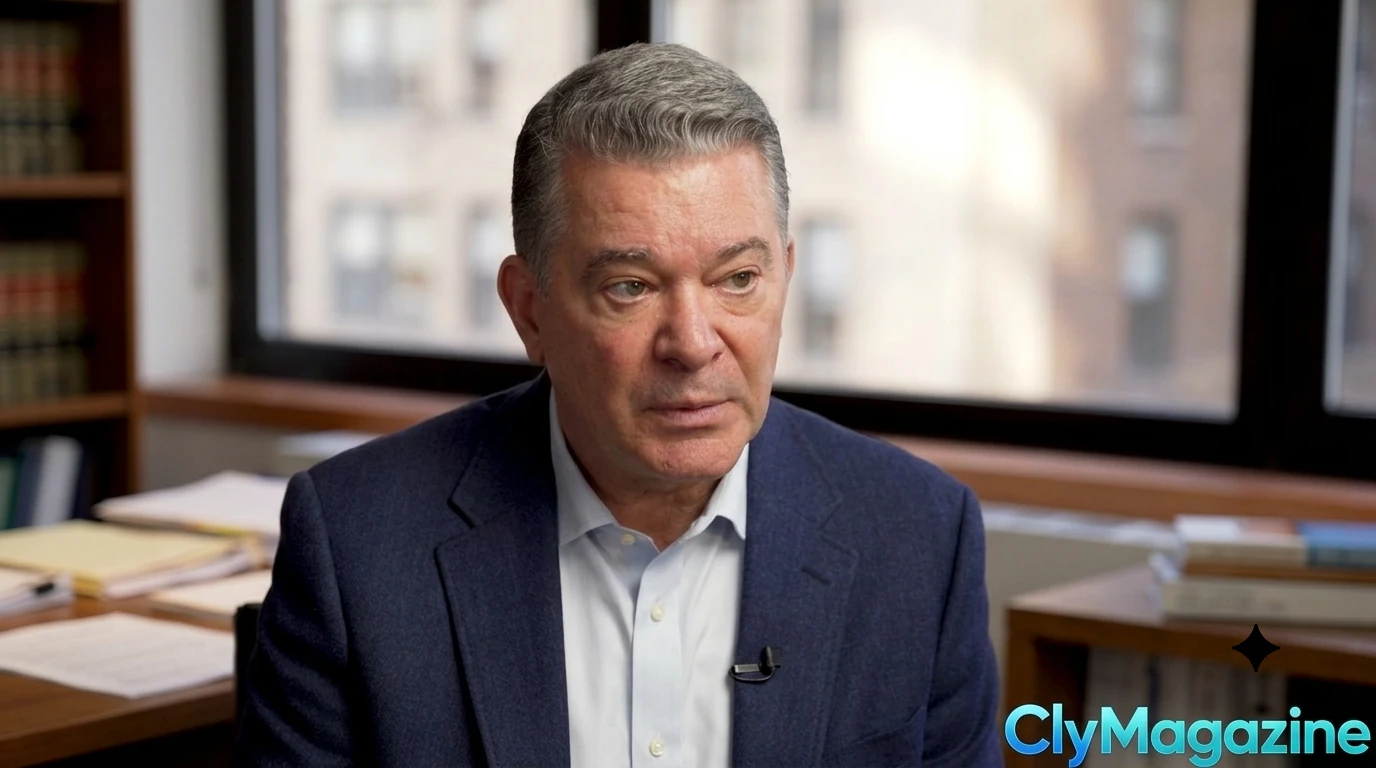
Paul Mauro is widely known as a former New York City Police Department inspector who later transitioned into law and media commentary. His public profile is built around his experience in law enforcement and his ability to interpret complex criminal investigations for television audiences. Over time, he has become a recognizable legal analyst in U.S. media, frequently appearing in discussions about federal investigations, policing standards, and constitutional law issues.
His career reflects a rare combination of operational police leadership and legal expertise, which has shaped how he is positioned in public debate. While many details of his personal life remain private, his professional trajectory is well documented through his service in the NYPD and his ongoing legal and media work.
Early Life and Background
Publicly available information about Paul Mauro’s early life remains limited. His exact date of birth, place of upbringing, and family background have not been confirmed in authoritative public records or major biographical profiles. This absence of detail is not unusual for law enforcement professionals whose early careers predate public media visibility.
What is known with certainty is that Mauro built his professional foundation in the United States, later pursuing both policing and legal qualifications. His career path suggests formal legal education, as he is recognized as a practicing attorney, though specific academic institutions are not consistently documented in reliable sources.
Because of the lack of verified biographical records, most public narratives about his early years focus less on personal background and more on his professional development within the NYPD and legal system.
Career in Law Enforcement
Paul Mauro’s most established professional identity comes from his service in the New York City Police Department. He rose through the ranks of one of the largest and most complex police departments in the United States, eventually attaining the rank of Inspector.

Within the NYPD structure, an inspector is a senior leadership role that involves oversight of major units, operational planning, and coordination across precincts or divisions. This position typically requires extensive experience, leadership capability, and a deep understanding of investigative policing.
During his tenure, Mauro worked within the operational environment of urban law enforcement, dealing with criminal investigations and administrative leadership responsibilities. While detailed case assignments are not publicly documented, his rank indicates that he was involved in high-level decision-making processes and supervisory roles over investigative teams.
His time in the NYPD forms the foundation of his later credibility in media discussions, as commentators with senior law enforcement backgrounds are often called upon to explain procedures and interpret ongoing investigations for the public.
Transition to Law and Legal Practice
After leaving active service in the NYPD, Paul Mauro transitioned into the legal profession. He became an attorney, combining his policing background with formal legal practice. This dual experience positioned him uniquely in discussions involving criminal law, investigative procedure, and constitutional issues.
His legal work is not publicly detailed in full, which is common for attorneys who operate outside high-profile litigation or political cases. However, his bar admission and professional recognition as a lawyer are central to his credibility as a legal analyst.
The combination of law enforcement and legal training allows him to interpret criminal cases from both investigative and procedural perspectives, a skill set that has made him a frequent guest in media discussions on major legal events.
Media Career and Public Commentary
Paul Mauro became more widely known through his appearances as a legal analyst on television news programs. He is frequently invited to provide commentary on criminal investigations, federal law enforcement actions, and constitutional law questions arising from high-profile cases.
His commentary often focuses on how investigations are conducted, how warrants are obtained, and how law enforcement agencies coordinate during complex cases. This has made him a recurring voice in discussions involving the FBI, Department of Justice procedures, and major criminal investigations in the United States.
Unlike political commentators, Mauro’s role is generally framed around procedural legal interpretation rather than direct political advocacy. His background in policing and law gives his analysis a technical foundation that appeals to audiences seeking clarity on legal processes.
His media presence increased significantly during periods of heightened public interest in federal investigations and politically sensitive legal cases. This visibility has made him a recognizable figure in legal journalism circles, even though he does not maintain a celebrity-driven public profile.
Legal Perspective and Areas of Focus
Mauro’s commentary typically centers on criminal procedure and law enforcement operations. He is known for explaining how investigative steps unfold, particularly in federal cases involving search warrants, surveillance, and indictments.
His analysis often addresses how agencies like the FBI operate within constitutional boundaries, and how courts evaluate evidence gathered during investigations. This focus has made him a frequent contributor during discussions of major national legal events.
Because of his background, his commentary tends to emphasize operational realities of policing and investigative work rather than abstract legal theory. This practical perspective distinguishes him from purely academic legal analysts.
Personal Life and Privacy
Very little is publicly confirmed about Paul Mauro’s personal life. Information regarding his family, marital status, or children is not consistently available in reliable sources. This reflects a deliberate separation between his professional public role and private life.
Unlike many media personalities, Mauro does not appear to maintain a highly public personal brand. His visibility is largely tied to professional commentary rather than personal storytelling or lifestyle exposure.
As a result, most reputable biographical coverage focuses almost exclusively on his career in law enforcement, law, and media analysis.
Net Worth and Professional Standing
There are no credible public disclosures regarding Paul Mauro’s net worth. Any figures found online are speculative and not supported by verifiable financial records.
His income is presumed to come from a combination of legal practice and media appearances, though exact earnings are not publicly documented. As with many professionals in similar roles, compensation varies depending on legal work and media engagement frequency.
His professional standing is better understood through reputation rather than financial estimates. He is recognized as a former senior NYPD officer and practicing attorney who contributes expert commentary on legal and investigative matters.
Recent Activity and Current Work
As of recent years, Paul Mauro continues to appear in media discussions surrounding high-profile legal cases in the United States. His commentary often aligns with breaking developments in federal investigations, court proceedings, and law enforcement operations.
He remains active as a legal analyst during major news cycles, particularly when criminal investigations involve questions of procedure or constitutional law. His dual background allows him to interpret developments quickly for public audiences.
Alongside media work, he is also associated with ongoing legal practice, though specific case involvement is not always publicly disclosed.
Frequently Asked Questions
Who is Paul Mauro?
Paul Mauro is a former NYPD inspector and current attorney who also works as a legal analyst on television news. He is known for explaining criminal investigations and law enforcement procedures to the public. His commentary often appears during major U.S. legal and political news events.
Was Paul Mauro an NYPD officer?
Yes, Paul Mauro served in the New York City Police Department and reached the rank of Inspector. This is a senior leadership position within the department. His police career is a major foundation of his later media and legal work.
Is Paul Mauro a lawyer as well as a police officer?
Yes, he is recognized as an attorney in addition to his law enforcement background. After leaving the NYPD, he transitioned into legal practice. This combination gives him expertise in both policing and legal interpretation.
Why does Paul Mauro appear on television news?
He appears as a legal analyst, offering commentary on criminal investigations and law enforcement procedures. News networks often invite him to explain complex legal developments in simpler terms. His background makes him a credible voice in these discussions.
What is Paul Mauro’s net worth?
There is no publicly verified information about his net worth. Any online estimates are speculative and not based on official financial disclosures. His income likely comes from legal practice and media appearances.
Conclusion
Paul Mauro’s public identity is shaped by a professional journey that spans law enforcement, legal practice, and media analysis. His rise through the NYPD to the rank of Inspector placed him in senior operational roles within one of the most demanding policing environments in the United States.
His later transition into law and television commentary reflects a broader trend of former law enforcement professionals becoming interpreters of complex legal events for the public. This role has made him a familiar presence in discussions about federal investigations and criminal justice procedures.
Although much of his personal life remains private, his professional reputation continues to rest on his dual experience in policing and law. That combination gives his commentary a procedural depth that resonates during high-profile legal news cycles.
As legal and political investigations continue to dominate public attention, Paul Mauro is likely to remain a recurring voice in explaining how those systems function, how evidence is evaluated, and how law enforcement actions are interpreted within the legal framework.