


Paul Ratliff: A Life Beyond the Spotlight
| Attribute | Details |
|---|---|
| Full Name | Paul Ratliff |
| Date of Birth | Not publicly confirmed |
| Age | Not publicly confirmed |
| Place of Birth | Not publicly confirmed |
| Nationality | American (public life in the U.S.) |
| Profession | Marriage and Family Therapist; Design Researcher |
| Famous For | Marriage to actress Maggie Siff and professional work in therapy and design research |
| Marital Status | Married to Maggie Siff (2012–his death) |
| Children | One daughter, Lucy |
| Estimated Net Worth | Not publicly verifiable |
When Paul Ratliff’s name appears in public conversation, it does so quietly and almost inadvertently. There are no billboards with his face, nor magazine covers bearing his name, yet his story threads through the life of someone many know from television: his wife, actress Maggie Siff. What comes into view when you look for Paul Ratliff is a life that moved between serious professional inquiry into human behavior and the intimate work of family, care, and companionship. He was a therapist and researcher whose life touched others in ways that weren’t always visible to the public, yet became deeply meaningful to those closest to him.
Early Life and Family
The early years of Paul Ratliff’s life remain largely private. There are no widely accessible public records confirming his exact date of birth, his place of birth, or the names of his parents. In the absence of concrete documentation, even his age at various points in life must be described with care and restraint. Although some secondary sources offer approximate ages, none comes from primary records or direct statements. What is clear is that his upbringing and early schooling happened outside the glare of public attention, and his path took him into professional realms that emphasize listening and observing over performing.
Even without detailed public records about his childhood or schooling, the arc of his adult career suggests that his formative years included study and development in areas that involve human behavior and interaction. Those early influences, while unrecorded in detail, seem to have steered him toward fields where understanding people mattered, whether in therapeutic contexts or in investigative research settings.
Career and Professional Path
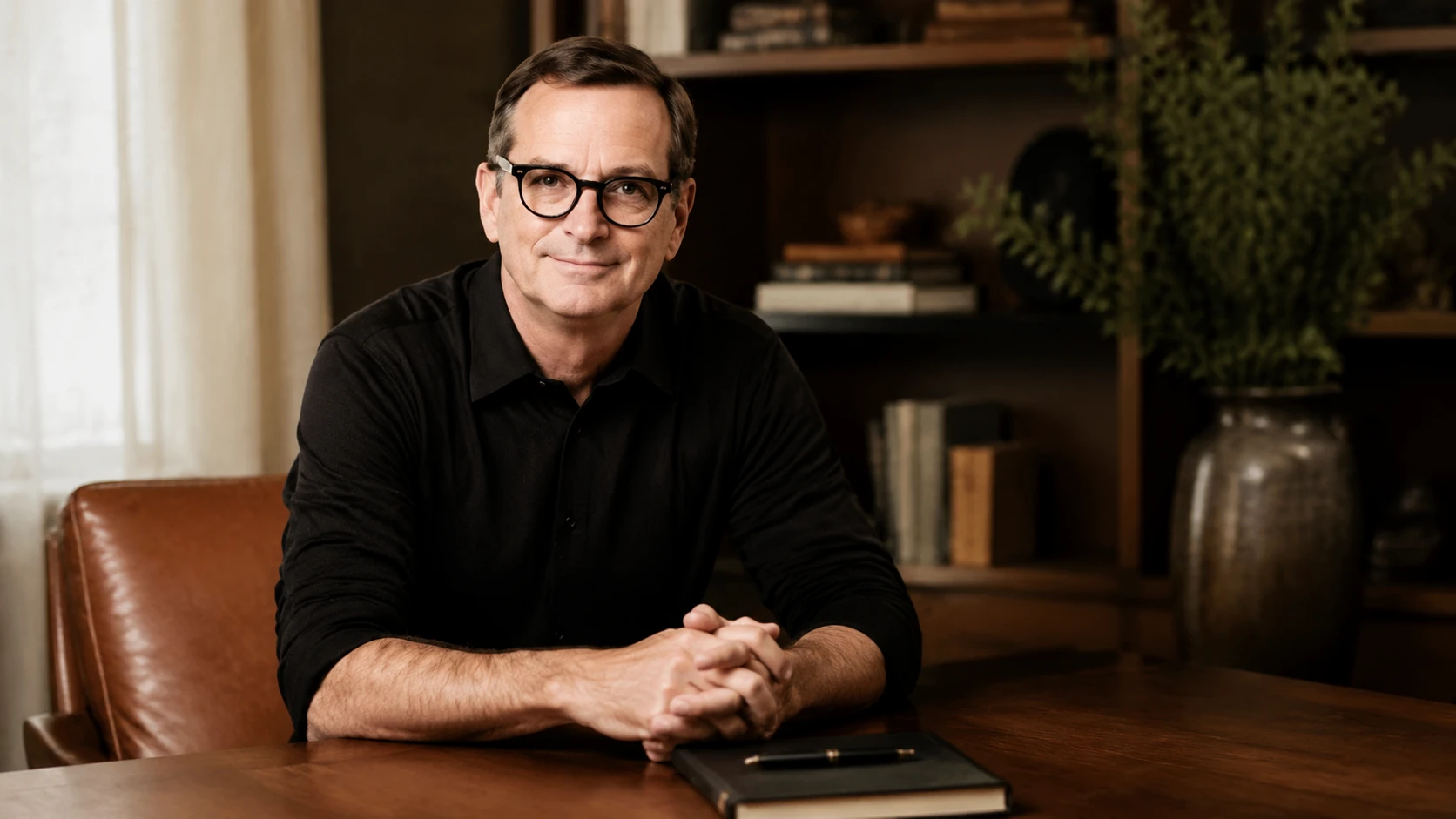
What is known with confidence about Paul Ratliff’s professional life begins in the mid-1990s, when he entered the world of design research and strategy. In 1996, he began working with E‑lab, a group that focuses on ethnographic research and applied insights in business contexts. This work involved observing people in natural settings to understand their behaviors, needs, and interactions with systems and products. It required patience, curiosity, and a keen eye – qualities that would also serve him well in later therapeutic work.
By the late 1990s and early 2000s, Ratliff was associated with Sapient London, where he held the role of Senior Manager of Experience Modeling. In this capacity, he helped shape how organizations understood user needs and how design choices affected those experiences. His name also appears in a U.S. patent filing from around that time, identifying him as one of the inventors on a knowledge‑management system through Steelcase Development Inc. The patent’s existence doesn’t reveal his salary or status, but it does point to involvement in teams addressing complex organizational problems.
In 2002, he began working as an independent consultant. In that period, he brought his background in ethnographic research and design to a range of clients and settings. His consultancy work positioned him at the intersection of human insight and practical application, often guiding teams to ask better questions and to see patterns that others might miss. That focus on understanding human behavior carried through to his later professional shift toward therapeutic work.
While public records are limited, by 2018 he was described in a profile as a “psychoanalyst‑in‑training,” indicating a transition toward clinical practice. By 2020, professional listings identify Paul P. Ratliff, MFT‑LP, as a marriage and family therapist licensed in New York. This credential reflects formal training, supervised hours, and a state‑regulated professional standing that allowed him to work with individuals and couples on relational and emotional concerns. In that role, he continued his lifelong interest in human connection, this time in a setting that emphasized healing and support.
Personal Relationships and Family Life
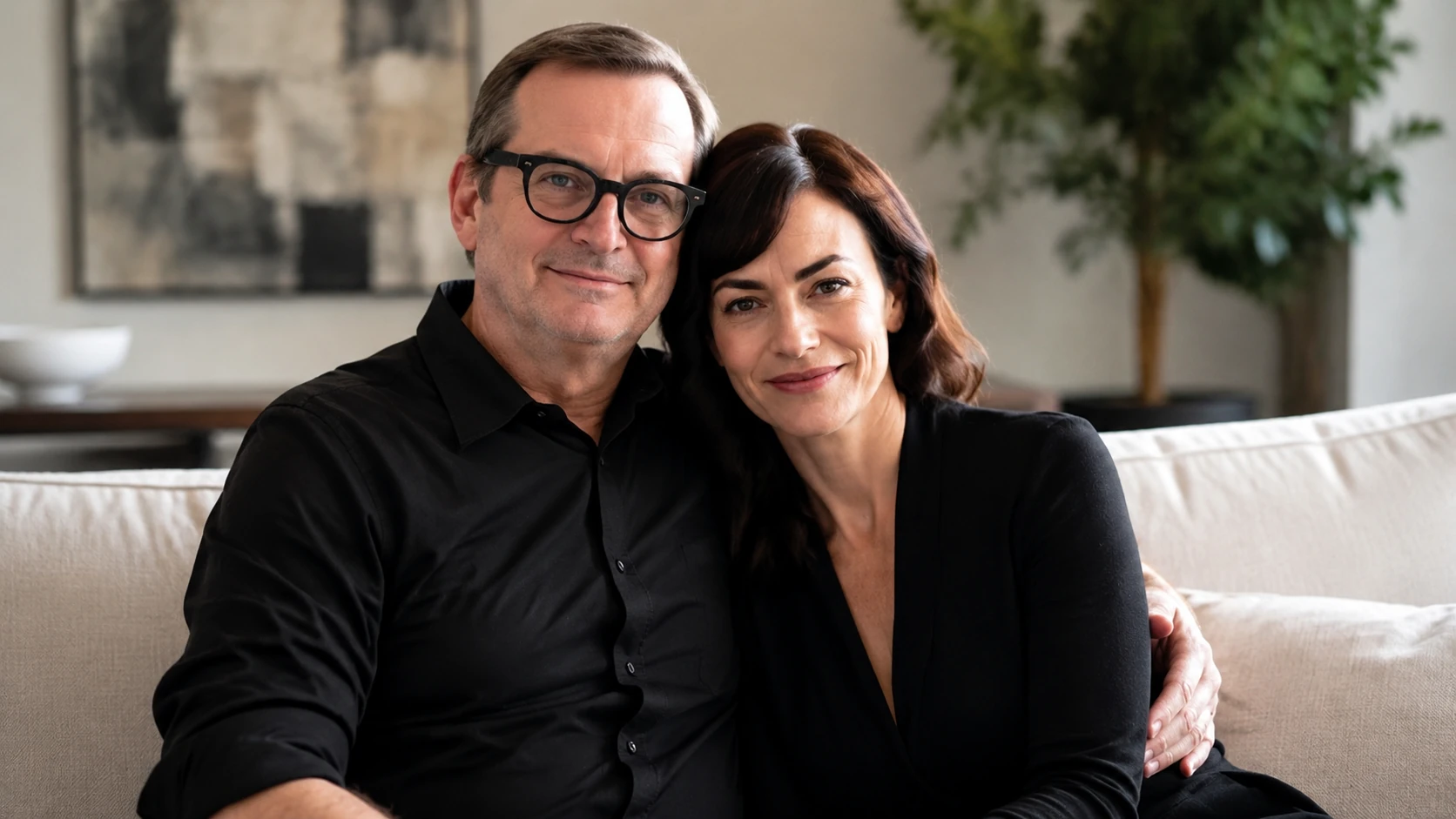
Paul Ratliff’s personal life became a matter of public interest primarily through his marriage to Maggie Siff, an actress known for roles in television dramas including Billions and Mad Men. The two met through a mutual friend at a point when he had spent several years living abroad in London, engaged in his design research work. Their connection wasn’t instantaneous celebrity news; it was human and unhurried, shaped by travel, conversation, and shared curiosity.
They married in 2012, choosing to build a life together that balanced careers and family. In 2014, they welcomed their daughter, Lucy. Accounts from friends and profiles note that the couple navigated the challenges of city life, parenthood, and work responsibilities with a blend of pragmatism and affection. Their home was grounded in ordinary routines as much as in the extraordinary demands of public careers.
During these years, Ratliff was not often the subject of headlines. Instead, he appeared in photos at events or was referenced in interviews by Siff with a tone of warmth and respect. Friends and colleagues remembered him as thoughtful, engaged, and deeply committed to his family.
Professional Distinctions and Net Worth
There is no credible public documentation that establishes Paul Ratliff’s net worth with any precision. Unlike entertainers or corporate executives whose financial details are often reported, his professional life was largely private and reflected fields that are not typically covered in financial press. Estimates that circulate online have no confirmed basis and should be understood as speculative rather than factual.
What is more certain is that his work spanned meaningful domains of human study — from observing how people interact with systems to helping individuals and families navigate their emotional lives. His career did not include major public awards or high‑profile contracts, and there are no records of celebrity‑level deals. Yet the depth of his work can be seen in the roles he chose and in how colleagues describe his approach to understanding others.
The Years of Illness
In the period of the global pandemic beginning in 2020, Paul Ratliff was diagnosed with brain cancer. Maggie Siff spoke about this time in interviews years later, describing how the family navigated uncertainty, treatment, and caregiving alongside the demands of work and home life. Those discussions, while personal, revealed the gravity of the illness and the strain it placed on daily routines.
Caregiving became a central part of their life together in these years. It was a shift from the patterns of daily work and parenting into something more unpredictable, fraught, and tender. Siff’s reflections indicate that they worked to stay present for each other and for their daughter, Lucy.
By the time Billions, the television series where Siff portrayed Wendy Rhoades, came to an end, Ratliff had passed away. His death is reported to have occurred in 2021. The exact date and further private details have not been publicly confirmed. What remains public are the accounts of those who knew him: a partner, a parent, a therapist, and a teacher of sorts in how to meet others with attention and compassion.
Legacy and Memory
Ratliff did not leave behind a catalog of bestselling books or a roster of blockbuster credits. He did not court public attention or cultivate a brand. Instead, his legacy lives in quieter places: in the practices of people he worked with, in his daughter’s memories, in the way colleagues and clients recall conversations that shifted their thinking. In 2024, a community fundraising campaign honoring both Paul Ratliff and Maggie Siff raised significant support for youth theater, suggesting that friends and loved ones continue to mark his life with generosity and remembrance.
His story invites reflection on what it means to live a life rich with professional purpose and personal connection, even when those aspects remain largely out of the public spotlight. It is a reminder that meaning is not measured in headlines but in the fullness of everyday care.
Frequently Asked Questions
Who was Paul Ratliff?
Paul Ratliff was an American marriage and family therapist and design researcher. He worked in ethnographic and design strategy earlier in his career and later provided therapy to individuals and couples. He became publicly known largely through his marriage to actress Maggie Siff.
Was Paul Ratliff married to Maggie Siff?
Yes, Paul Ratliff married actress Maggie Siff in 2012. The two met through a mutual friend and built a family life together, navigating work and parenting while supporting each other’s careers. Their partnership lasted until his death in 2021.
Did Paul Ratliff have children?
Paul Ratliff and Maggie Siff had one child, a daughter named Lucy, who was born in 2014. The family lived in New York for much of Lucy’s early childhood. Siff has spoken about balancing her work and responsibilities as a parent after Ratliff’s passing.
What did Paul Ratliff do professionally?
He worked initially as an ethnographic researcher and design strategist, including roles at E‑lab and Sapient London. Later, he became a licensed marriage and family therapist in New York. His professional life focused on understanding human behavior and supporting people in thought and relationship work.
How did Paul Ratliff die?
Paul Ratliff died after a battle with brain cancer. He was diagnosed during the COVID‑19 pandemic and passed away in 2021. Public accounts emphasize the care and presence his family maintained during his illness rather than details of the medical course.
Conclusion
Paul Ratliff’s life was marked by a devotion to understanding people — in professional settings and in his personal relationships. Though he kept a private profile, the roles he chose and the work he did reflected a deep interest in how individuals think, feel, and connect with others. He did not seek fame, yet his story intersects with public figures and public life in poignant ways.
His partnership with Maggie Siff was a foundation of his later years, rooted in shared curiosity and companionship. Their family life, with their daughter Lucy at the center, reveals a rhythm of work and care that many readers can recognize, regardless of celebrity.
When he faced illness, that same commitment carried through into how his family lived with uncertainty and sought to remain present. What he leaves behind is not a catalog of public triumphs but a set of human ties that reveal the texture of a life lived with thought and attention.
In remembering Paul Ratliff, one sees a quiet but resolute example of a life that mattered to those close to him, and whose professional pursuits reflected a consistent engagement with the human experience. In every sense that can be verified, his legacy is measured by the care he offered rather than the applause he received.


