


| Attribute | Details |
|---|---|
| Full Name | Brody C. Tate, EdD |
| Date of Birth | Not publicly verified |
| Age | Not publicly verified (as of 2026) |
| Place of Birth | Evanston, Wyoming, U.S. |
| Nationality | American (likely) |
| Profession | Higher-education professional, scholar, program manager, researcher |
| Famous For | Work on queer identity, rural student experiences, online learning, and graduate curriculum |
| Marital Status | Not publicly confirmed; marriage to Janeane Garofalo is widely reported online but unverified |
| Children | None publicly known |
| Estimated Net Worth | Not publicly verified |
In 2011, a young student from Evanston, Wyoming, spoke candidly about his experience at Laramie’s Pink Prom. Brody Tate had not been allowed to bring a same-sex date to his high school prom, a moment he later recalled as formative in shaping both his personal identity and his commitment to inclusive education. That public reflection marked the first time Tate appeared in media coverage, and it hinted at a life dedicated to exploring the intersection of personal experience, identity, and education. Over the following decade and a half, he has developed a career that combines higher-education administration, research, and scholarship focused on queer students, rural communities, and curriculum development.
Early Life and Family
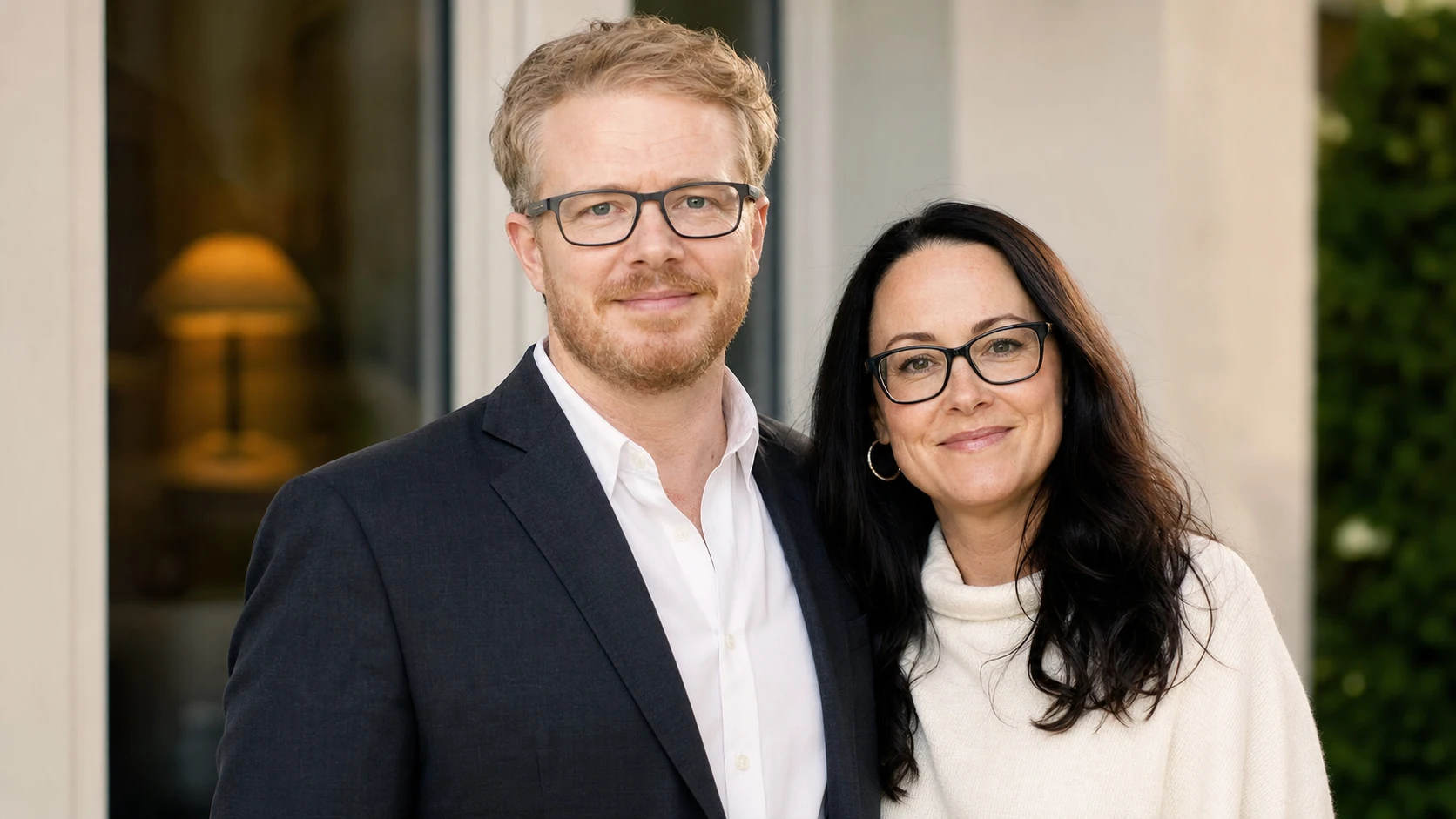
Brody Tate grew up in Evanston, Wyoming, though details about his family and early upbringing remain private. His early experiences in a conservative community shaped his perspective on belonging and identity, particularly as a queer individual navigating educational spaces. In 2011, as a University of Wyoming student, Tate spoke to Wyoming Public Media about challenges faced by LGBTQ students in rural areas, highlighting his early awareness of social inequities. These experiences appear to have influenced both his academic interests and his professional focus on equity, representation, and inclusion in education.
Educational details prior to university are not publicly available, but Tate went on to pursue higher education with clear intent. The University of Wyoming provided the initial platform for his engagement with queer student issues and public advocacy, as documented in media coverage of the Pink Prom. His early life in Wyoming, characterized by geographic mobility and exposure to diverse communities, laid a foundation for his later focus on marginalized student populations.
Education and Academic Training
Tate earned a Bachelor of Arts in Communication from the University of Wyoming, completing his studies around 2013. He later pursued graduate education at Loyola University Chicago, where he received a Master of Education in Higher Education in 2016. His doctoral work culminated in 2025 with an EdD from Loyola University, with a dissertation titled “Mirrors and Windows: Exploring Queer Identity Representation in Graduate Curriculum.” This research used narrative ethnography and Queer Theory to examine how graduate programs include or exclude queer identities, reflecting a consistent focus on social equity, student representation, and curriculum development throughout his academic journey.
Career and Contributions
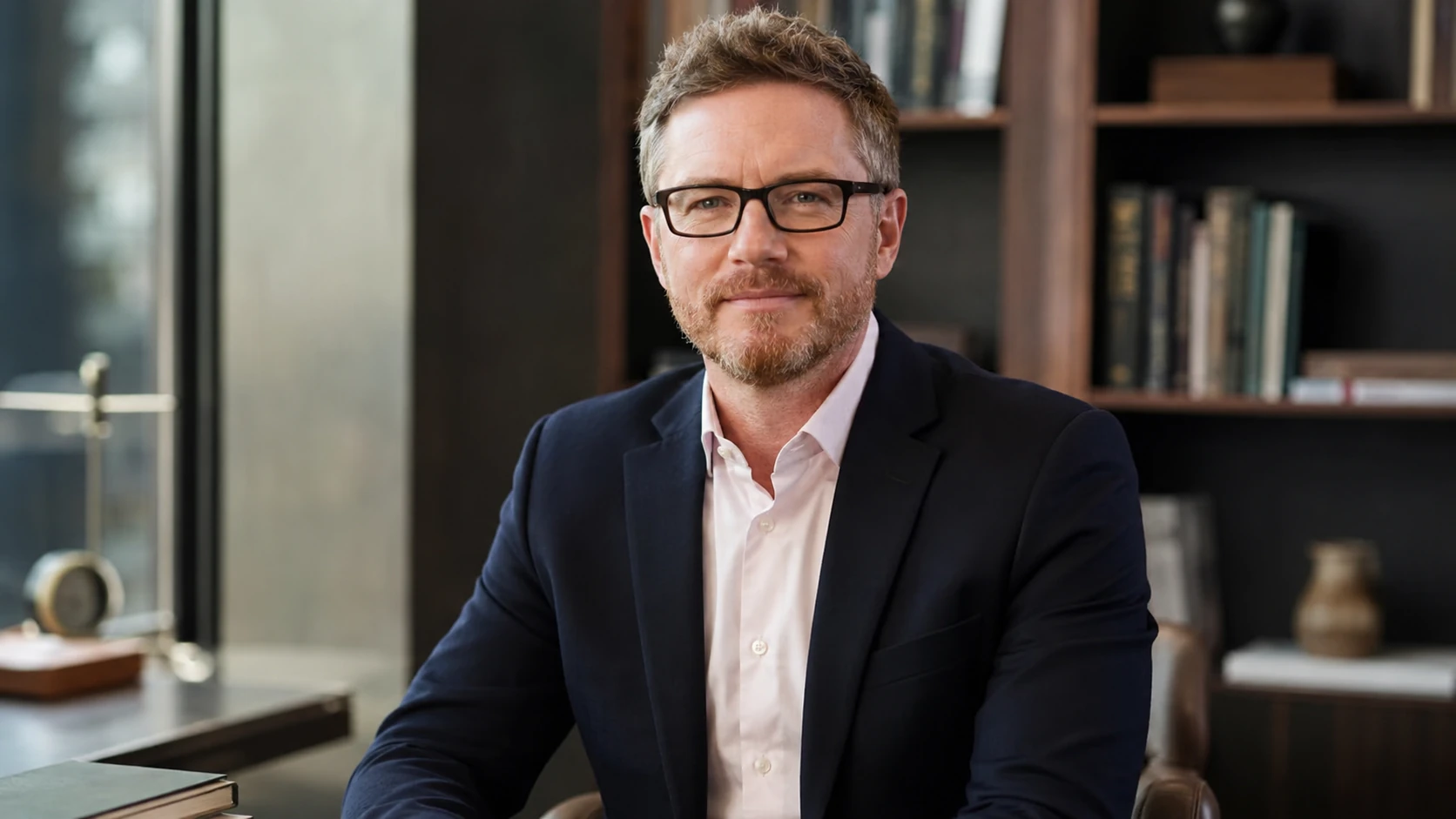
Tate’s professional career is rooted in higher education and scholarly research. After relocating to Chicago for graduate school, he worked in academic administration and program management, with early roles emphasizing student engagement and inclusive curriculum design. By 2018, he had become a recognized figure in Chicago’s higher-education community, appearing in Windy City Times as a storyteller and educator whose work explored the intersection of LGBTQ identity and academic life. That profile noted that he had moved eighteen times and traveled extensively across thirty states and seven countries, experiences that enriched his perspective on community, education, and mobility.
In 2020, Tate co-authored a publication with Patrick M. Green titled “Modeling Pedagogy: Portfolios at the Intersections of Teaching and Learning” for The AAEEBL ePortfolio Review, emphasizing his commitment to integrating reflective practice into curriculum. His scholarly work expanded to include rural student experiences, queer identity in higher education, and the concept of queer joy in nature. In 2024, he published research on supporting queer students from rural backgrounds, examining college access, campus environments, and identity development. These studies underscore a consistent commitment to inclusivity, representation, and practical strategies for student success.
Tate’s research continued with a 2025 chapter titled “Exploring Queer Joy in Nature: Tales from the Rural Mountain West,” co-authored with Ty C. McNamee and Roman Christiaens, published by Taylor & Francis. This work highlights his sustained interest in the lived experiences of queer students in rural settings, emphasizing both the challenges and the positive aspects of rural queer life.
Alongside his research, Tate served as Program Manager, Online, for the Master of Science in Applied Data Science program at the University of Chicago Data Science Institute. In this capacity, he contributed to curriculum development, online learning strategies, and ethical data science education. He co-led a 2025 UPCEA roundtable titled “From Fear to Responsibility: Embracing Ethical Data Science in Higher Education,” reflecting his engagement with contemporary issues in both pedagogy and student support. By early 2026, Tate publicly noted that his University of Chicago role had been eliminated due to institutional restructuring, and he was seeking new opportunities in higher education, research management, and curriculum development.
Personal Life and Identity
Tate’s personal life has been the subject of online speculation, particularly regarding alleged marriage to comedian Janeane Garofalo. While numerous websites repeat this claim, it is not supported by primary documents or reputable news sources, and Tate has not publicly confirmed any such marriage. No verified information is available about children or other personal relationships. What is publicly documented is his engagement with queer communities and his commitment to addressing the needs of LGBTQ students, particularly those from rural areas.
His scholarship, presentations, and media appearances consistently reflect a dedication to exploring identity, belonging, and representation, both in academic settings and broader social contexts. Tate’s own experiences as a queer individual from a rural background inform his research and professional priorities, giving his work a personal resonance that extends beyond conventional academic boundaries.
Professional Recognition and Achievements
Tate’s career has been marked by contributions to research, teaching, and program management rather than by public awards or celebrity recognition. His scholarship has been published in peer-reviewed outlets, institutional repositories, and edited volumes, including The AAEEBL ePortfolio Review, ResearchGate, and Taylor & Francis/Routledge publications. The 2025 Loyola eCommons archive lists his EdD dissertation, reflecting recognition from his graduate institution for original research on graduate curriculum and queer representation.
He also contributed to professional conferences, such as the 2025 UPCEA Annual Conference, where he co-led a roundtable on ethical data science, bridging pedagogical concerns with applied data science practice. While a Loyola School of Education page suggests a 2025 Research Excellence Award, this requires direct verification before inclusion in formal reporting. Overall, his recognition is rooted in academic and professional credibility rather than mass-market fame.
Current Work and Future Directions
As of 2026, Brody Tate is in career transition, seeking opportunities that align with his interests in inclusive curriculum, research management, and meaningful educational experiences. He remains publicly connected to issues of equity, queer representation, and rural student advocacy. His LinkedIn updates and professional profiles indicate a readiness to contribute to programs that value social justice, online learning, and critical reflection within higher education.
Tate’s trajectory illustrates a blend of academic rigor, professional leadership, and personal commitment to marginalized student populations. Even as he navigates changes in institutional roles, his contributions to scholarship and higher-education practice continue to resonate.
Lesser-Known Facts About Brody Tate
In addition to his professional work, Tate’s early media appearances offer insight into his formative experiences. He was quoted in 2011 at Laramie’s Pink Prom, reflecting on challenges faced by queer students in rural Wyoming. By 2018, he had become a recognized storyteller and advocate in Chicago, having moved eighteen times and traveled to thirty states and seven countries. His dissertation explored queer identity representation specifically in graduate programs, a focus distinct from undergraduate curriculum studies. He co-led a UPCEA conference roundtable on ethical data science, highlighting his engagement with contemporary issues in both pedagogy and applied STEM fields.
Frequently Asked Questions
Who is Brody Tate?
Brody Tate, also known as Dr. Brody C. Tate, is an American higher-education professional, scholar, and program manager. He is recognized for his work on queer identity, rural student experiences, and inclusive curriculum. Tate’s research and professional roles have spanned institutions such as Loyola University Chicago and the University of Chicago Data Science Institute.
Is Brody Tate married to Janeane Garofalo?
While some websites claim that Brody Tate is married to comedian Janeane Garofalo, these reports are not verified by primary sources or reputable news outlets. No public record or credible confirmation exists to substantiate this claim. As such, his marital status should be treated as unverified.
What is Brody Tate’s educational background?
Tate earned a Bachelor of Arts in Communication from the University of Wyoming and a Master of Education in Higher Education from Loyola University Chicago. He completed his Doctor of Education in 2025 with a dissertation examining queer identity representation in graduate curriculum. His academic training has shaped both his research focus and professional career.
What are Brody Tate’s main professional contributions?
Tate has contributed to higher education through research, curriculum development, and program management. He has published studies on rural queer identity, student belonging, and portfolio-based pedagogy. He has also led sessions on ethical data science at professional conferences and served as Program Manager, Online, for the MS in Applied Data Science program at the University of Chicago.
What is Brody Tate doing now?
As of 2026, Tate is in career transition following the elimination of his University of Chicago role. He is seeking opportunities in higher education, research management, curriculum development, and projects centered on inclusion, social justice, and meaningful learning experiences.
Conclusion
Brody Tate’s life and work reflect a commitment to education, equity, and representation. From his early reflections as a Wyoming student navigating the challenges of a conservative community to his doctoral research and professional contributions in Chicago, he has consistently focused on the experiences of marginalized students. His scholarship on queer identity, rural backgrounds, and curriculum development has made him a respected voice in higher education, particularly in graduate program design and ethical pedagogical practices.
Even amid career transitions, Tate’s influence is evident in his research, publications, and conference leadership. His work bridges personal experience with academic inquiry, offering insights into both student life and institutional responsibility. The combination of professional skill and personal perspective positions him to continue shaping educational environments in ways that prioritize inclusion and social justice.
While many online sources speculate about his personal life, including marriage claims, the verified record emphasizes his scholarship and professional leadership. Brody Tate’s story demonstrates the impact of dedicated educators who engage deeply with the communities they serve, blending research, administration, and advocacy into a career that matters for students and colleagues alike. His ongoing contributions suggest a future of continued influence in higher education, thoughtful curriculum design, and the advocacy of marginalized student voices.


