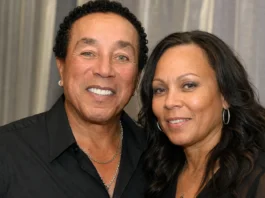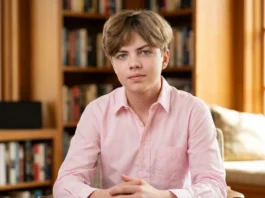
| Attribute | Details |
|---|---|
| Full Name | Oliver James Mark Tress |
| Date of Birth | May 1967 |
| Age | 58 years old (as of 2026) |
| Place of Birth | Not publicly confirmed |
| Nationality | British |
| Profession | Entrepreneur, retailer |
| Famous For | Founder of Oliver Bonas |
| Marital Status | Formerly married to Gina Coladangelo (reported separated/ex-spouse) |
| Children | Three |
| Estimated Net Worth | Not publicly confirmed |
In September 1993, a small shop opened on Fulham Road in London with a young founder standing behind the counter, ringing up sales on a second-hand till. That shop would become Oliver Bonas, a brand now spread across dozens of locations in the UK and Ireland. At the center of that story is Oliver Tress, a private but influential figure in British retail who built his company slowly and deliberately over decades. His journey is less about sudden fame and more about steady growth, creative instinct, and long-term ownership.
Tress stands apart from many modern retail founders because his company remains privately held, with him still closely involved in its direction. While his name occasionally surfaces in headlines for personal reasons, his main legacy rests on the business he built from scratch. Understanding his story means looking closely at how a small idea became a recognizable high-street brand.
Early Life and Family Background
Oliver James Mark Tress was born in May 1967, though the exact location of his birth has not been firmly confirmed in strong public records. What is clearer is that his upbringing involved exposure to different parts of the world, which later shaped the aesthetic of his business. Official company materials describe a childhood influenced by time spent across regions including America, Asia, and Africa.
That international exposure appears to have left a lasting impression on his taste and curiosity. The mix of cultural references seen in Oliver Bonas products often reflects that early environment. However, detailed information about his parents, their professions, or his early schooling is not strongly documented in reliable sources. Many of those details circulate online, but without firm backing, they remain uncertain.
Despite these gaps, the broad outline suggests a young man influenced by travel, visual culture, and a willingness to experiment. Those traits would later define how he approached retail. His early life does not follow a heavily documented or dramatic narrative, but its influence is visible in the brand he eventually created.
Education and Early Influences
Tress attended Durham University, where he studied Anthropology at Hatfield College between 1986 and 1989. That academic choice is telling, as anthropology focuses on understanding cultures, objects, and human behavior. It likely sharpened his awareness of design, craft, and consumer preferences in subtle ways.
During his time at university, he began experimenting with small-scale trading. While his parents were living in Hong Kong, he sourced items such as handbags and watches and brought them back to sell in the UK. This early activity was less about building a formal business and more about testing ideas and learning what people would buy.
After graduating, he continued selling goods at markets and fairs. This phase is important because it grounded him in direct customer interaction and practical retail skills. Rather than moving straight into a corporate career, he chose a path that involved risk and independence, setting the stage for what came next.
Founding Oliver Bonas in 1993
In September 1993, Tress opened the first Oliver Bonas shop on Fulham Road in London. The store began modestly, with Tress working behind the counter and managing the day-to-day operations himself. Company history records that the shop took around £1,000 on its first Saturday, a small but encouraging start.
The name “Oliver Bonas” has its own story. It was reportedly inspired by Anna Bonas, Tress’s then girlfriend, giving the brand a personal and slightly unusual identity from the beginning. The name would go on to become widely recognized across the UK retail landscape.
Early on, the shop sold a mix of fashion accessories, gifts, and homeware sourced from various places. Tress relied on instinct and observation, refining the product mix based on what customers responded to. That hands-on approach became a defining feature of the company’s early years.
Growth and Expansion Through the 1990s and 2000s
The business did not expand overnight. Instead, it grew steadily, with new systems and channels introduced over time. In 1996, Oliver Bonas launched its first mail-order catalogue, extending its reach beyond physical stores.
By December 2002, the company had launched its website. At that stage, online retail was still developing, and Oliver Bonas reportedly received only about six orders a week. The slow start did not deter Tress, who continued investing in the long-term potential of e-commerce.
Around 2004, the company began focusing more heavily on in-house design. This shift marked an important turning point, as Oliver Bonas moved away from being primarily a reseller toward developing its own distinctive product identity. That approach would later help the brand stand out in a crowded retail market.
Building a Distinct Retail Identity
One of the defining features of Oliver Bonas is its emphasis on design-led products. By the early 2020s, company materials indicated that around 88% of its products were own-brand. This level of control allowed Tress and his team to shape the look and feel of the business in a consistent way.
The brand also developed a clear internal culture. By 2008, the phrase “Work Hard, Play Hard, Be Kind” had become part of the company’s identity. This reflected an effort to balance commercial ambition with a positive workplace environment.
Another notable decision came in 2015, when Oliver Bonas became the first high-street retail chain to pay the accredited Living Wage. This move brought wider attention to Tress as a business leader who was willing to make choices that went beyond standard industry practice.
Challenges and Resilience
Like many retailers, Oliver Bonas faced challenges over the years. One personal moment that drew attention came during the 2011 London riots, when Tress was reportedly injured after confronting looters near his Clapham store. While not central to his business story, it offered a glimpse into his personal involvement with his shops.
The Covid-19 pandemic posed a more serious test for the company. In 2020, Oliver Bonas secured additional funding from HSBC to support its operations during lockdowns. The retail environment was uncertain, and many businesses struggled to adapt.
During this period, the company saw unexpected shifts in demand. For example, it reported a surge in puzzle sales, jumping from around 50 a week to as many as 2,300 at peak. These changes highlighted both the unpredictability of the market and the company’s ability to respond quickly.
Business Growth and Financial Performance
By the late 2010s and early 2020s, Oliver Bonas had become a well-established retail chain. The company reached around 50 stores by 2015 and later expanded to more than 80 locations. It also grew its workforce to over 1,000 employees by 2019.
Financially, the business showed steady growth. Reported figures indicate revenue of about £115 million in the 2022 financial year. That number rose further in subsequent years, reaching approximately £150.3 million for the year ending December 2024.
Profit levels have varied, reflecting broader retail pressures and rising costs. However, the overall trajectory has remained upward in terms of turnover. This suggests a business that continues to grow, even as it navigates changing market conditions.
Ownership and Business Structure
Oliver Bonas remains a private company, which shapes how much information is publicly available. Official records show that Tress holds more than 50% but less than 75% of the shares, making him the majority owner. Another significant shareholder, Timothy Hollidge, holds more than 25% but less than 50%.
This ownership structure means Tress retains control while still working alongside other investors. He has also remained an active director of the company since 1999, when Oliver Bonas Ltd was formally incorporated. His continued involvement reflects a hands-on approach that has lasted for more than three decades.
Unlike founders who step back after selling their businesses, Tress has stayed closely tied to the company’s development. That consistency has helped maintain a clear vision for the brand. It also reinforces his reputation as a long-term builder rather than a short-term entrepreneur.
Personal Life and Family
Oliver Tress has generally kept his personal life private. What is publicly known is that he was married to Gina Coladangelo, and they have three children together. Their relationship became widely discussed in 2021 due to Coladangelo’s involvement with then-UK Health Secretary Matt Hancock.
Following that period, several reports described Tress and Coladangelo as having separated, and later as former spouses. The exact timeline and legal details are not always consistent across sources, so they are best described cautiously.
Outside of these widely reported events, Tress has not shared much about his family life. There is little publicly confirmed information about his day-to-day life, interests, or routines. This level of privacy is unusual for a business figure of his scale but aligns with his low-profile approach.
Current Role and Recent Developments
As of 2025 and 2026, Tress remains closely involved with Oliver Bonas as its founder and owner. The company continues to operate both physical stores and an international online business. Its store count has grown to more than 90 locations across the UK and Ireland.
Recent reporting suggests that the company has been planning further expansion, with new store openings under consideration. At the same time, it has been managing the challenges of rising costs and shifting consumer behavior. These factors have influenced profitability even as sales have increased.
The business has also continued to develop its digital presence. Initiatives such as the OB World platform reflect an effort to engage customers beyond traditional retail. These changes suggest a company that is adapting while staying rooted in its original identity.
Lesser-Known Details About Oliver Tress
Some of the most revealing details about Tress come from the early days of his business. He reportedly bought his first shop’s till second-hand for about £60, a small detail that reflects the modest scale of his beginnings. That practical mindset has remained part of the company’s story.
Another lesser-known fact is how slowly the company’s online business began. When the website launched in 2002, it received only a handful of orders each week. This stands in contrast to the strong online presence the brand has today.
The company has also maintained a long-standing commitment to community support. It states that it has been involved in charitable activities since 2003. These quieter aspects of the business add depth to its public image.
Frequently Asked Questions
Who is Oliver Tress?
Oliver Tress is a British entrepreneur best known as the founder of Oliver Bonas. He started the company in 1993 with a single shop in London. Over time, he built it into a major retail brand with dozens of stores. He remains the majority owner and an active director of the business.
How did Oliver Tress start Oliver Bonas?
He started Oliver Bonas after experimenting with selling goods during and after university. In 1993, he opened his first store on Fulham Road in London. The shop sold accessories, gifts, and homeware. He ran it himself in the early days, learning directly from customers.
Does Oliver Tress still own Oliver Bonas?
Yes, Oliver Tress still owns a majority stake in the company. Official records show he holds more than half of the shares. He has also remained a director since 1999. This means he continues to play a central role in the business.
What is Oliver Tress’s net worth?
There is no reliable public figure for his net worth. While some estimates appear online, they are not strongly supported by verified data. His wealth is closely tied to his ownership of Oliver Bonas. As the company is privately owned, exact financial details are limited.
Is Oliver Tress married?
He was previously married to Gina Coladangelo, and they have three children together. Reports after 2021 describe them as separated and later as former spouses. The exact legal status has been described differently across sources. He keeps most details of his personal life private.
Conclusion
Oliver Tress’s story is one of steady ambition rather than rapid fame. From a single shop in 1993, he built a business that now operates across the UK and Ireland with a strong identity. His approach has combined creative instinct with careful growth, allowing the brand to develop over time.
His decision to remain closely involved in the company has shaped its character. While many founders step away or sell their businesses, Tress has stayed committed to Oliver Bonas. That continuity has helped maintain a consistent vision even as the company has expanded.
There are still gaps in the public record of his life, particularly when it comes to early details and personal matters. Yet those gaps do not diminish the clarity of his professional achievements. His work speaks most clearly through the brand he built and continues to guide.
Looking ahead, Oliver Bonas appears positioned to keep growing while adapting to new challenges in retail. Tress’s role in that future remains central, as both owner and decision-maker. His story suggests a long-term approach to business, one that values patience, identity, and direct connection with customers.